Built in 1915, Burned, Sunk, Scuttled, and Reborn: The Story of the SV Bjørghild
The Build at Moen
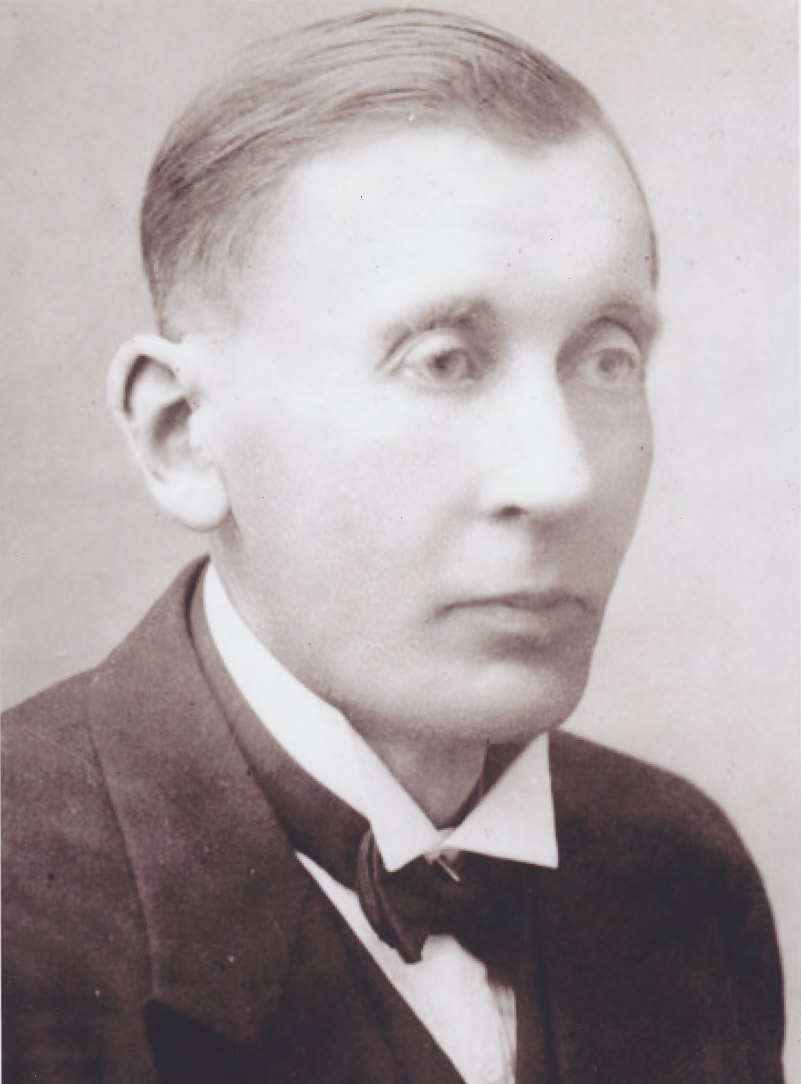
SV Bjørghild was built in 1915 by Knut Christensen in Moen, Norway. K. Christensen was one of the most renowned boat designers in Norway of his time. He is particularly known for his lifeboats, which are based on the same design principles as those of his competitor, Colin Archer. Consequently, Loke was also built to be very seaworthy and solid. At this time engine were just invented and the hull design had not adapted to it yet. Thus Loke was built with a hull shape build for sailing having a very deep keel of 2.8 meters.
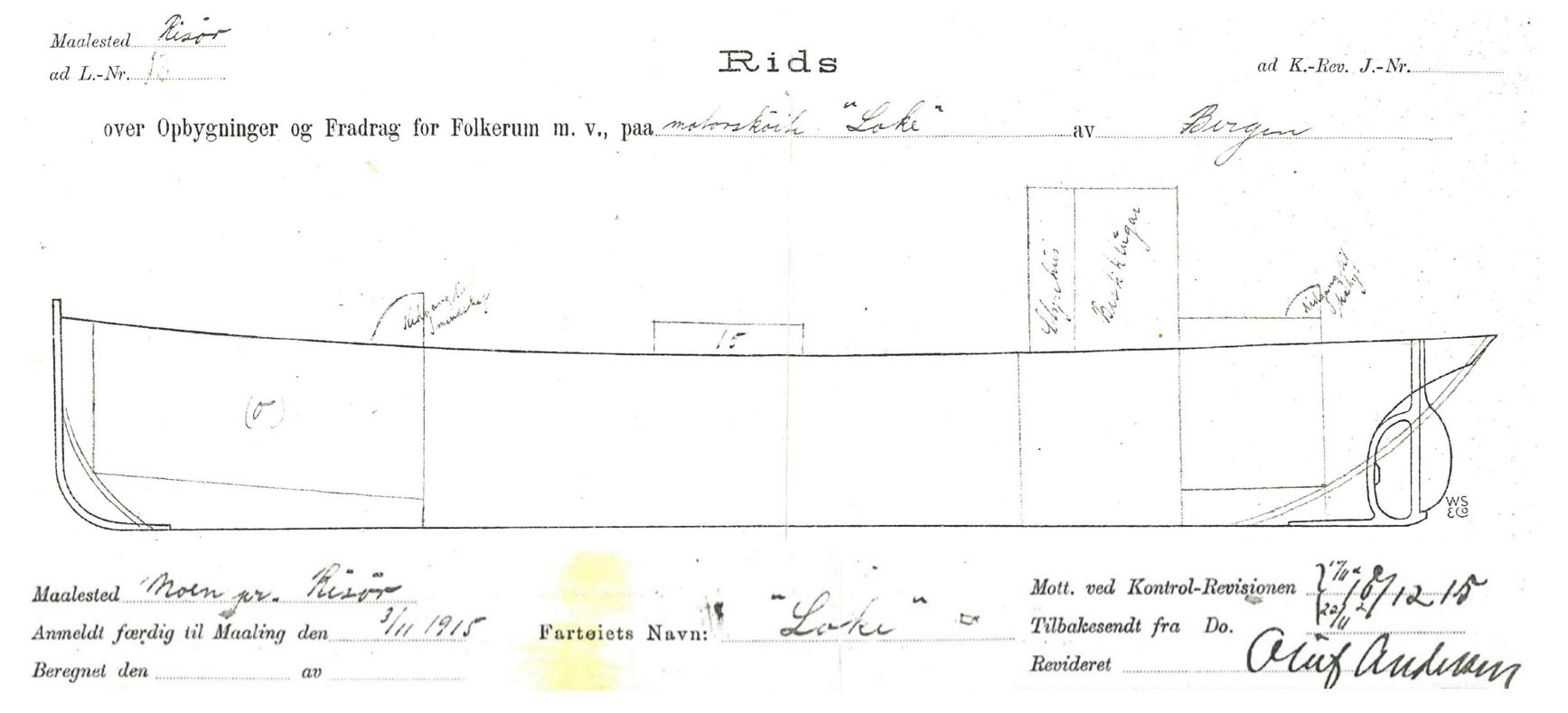
The ship had the build number 13 and was registered with a length of 57.4 feet. Loke was a double-ended vessel with an outboard rudder, a type typically called a “skøyte” in Norway. A 30 Hp Wickmann engine (also referred to as a “Rubb”) was installed on board.
Since its launch, the ship has had four different names: Loke, Brødrene Horgen, Hjartholm 1, and Bjørghild.
Loke (1915–1920)
Call Sign: MLSW
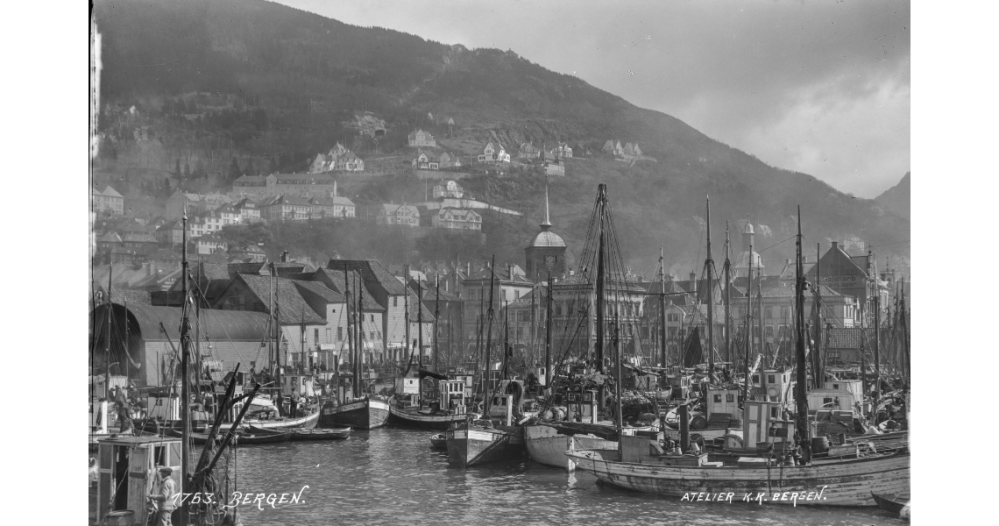
Vågen 1919-1926 from Atelier KK 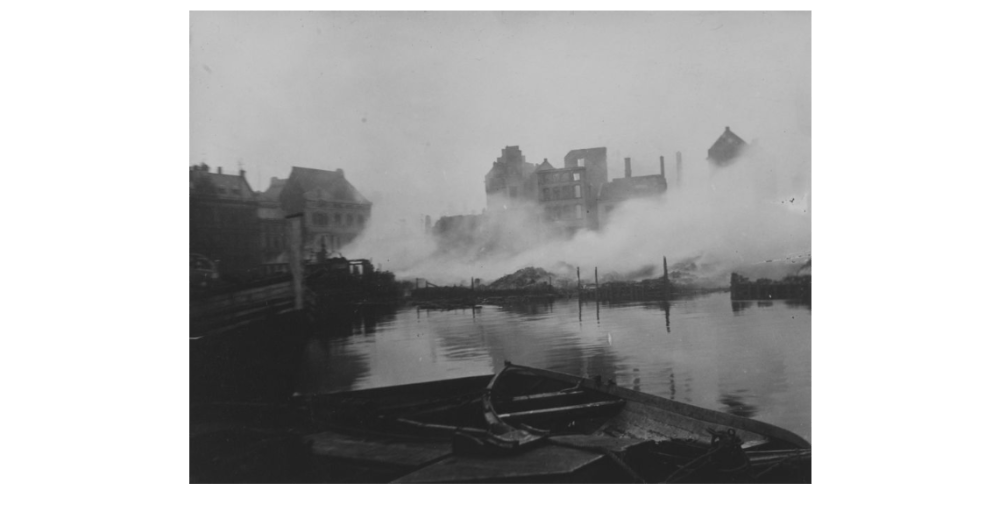
Bergens-fire of 1916 fra Universitetsbiblioteket i Bergen 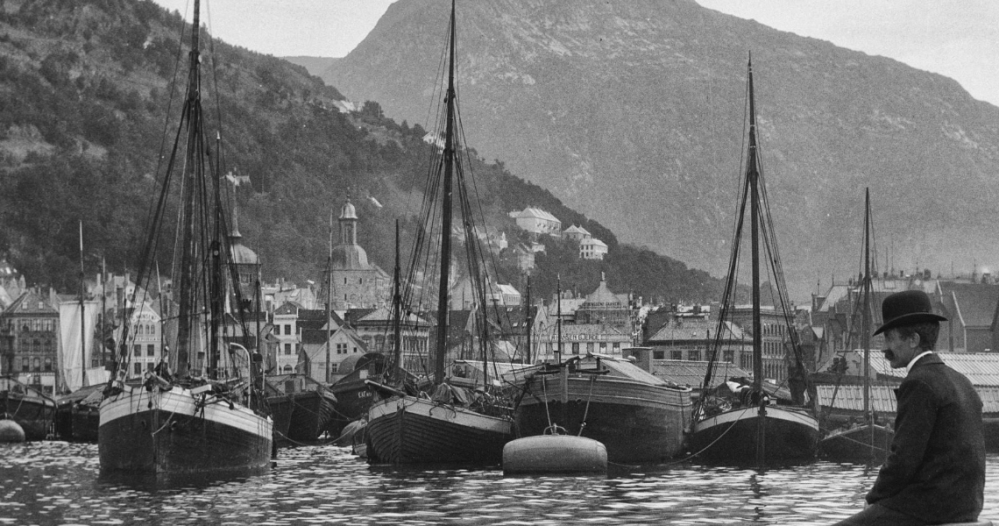
Vågen 1900-1920 from Ralph L. Wilson 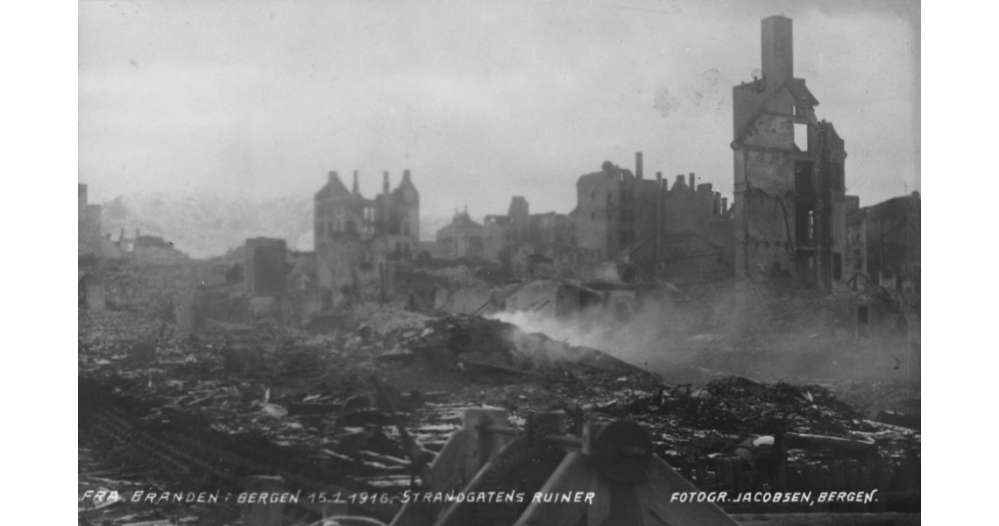
Bergens-fire of 1916 fra Jacobsen 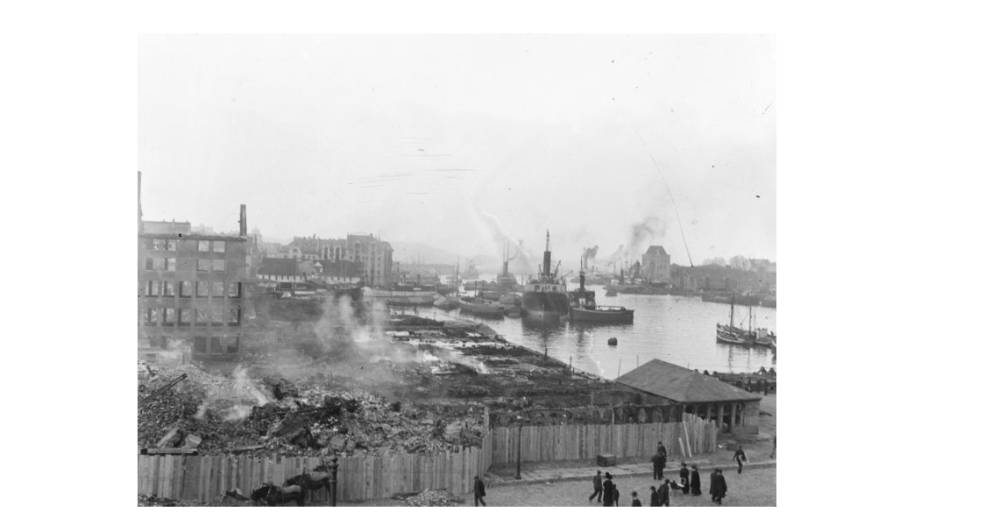
Bergens-fire of 1916 from Universitetsbiblioteket i Bergen 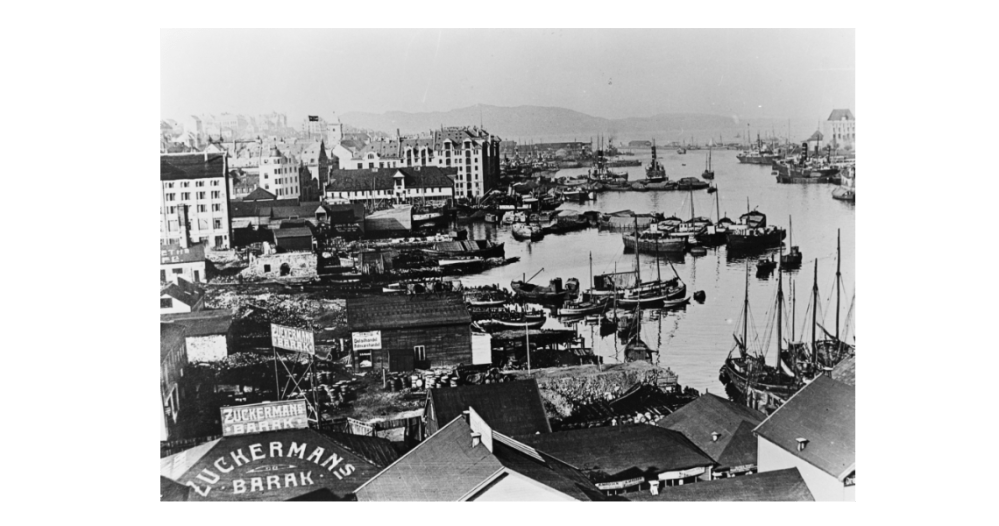
Bergen 1917-1920 from Ralph L. Wilson 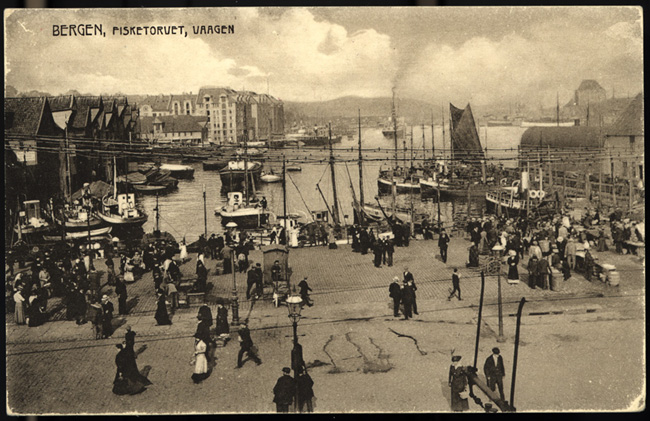
Bergen 1890-1917 from Mittet & Co. 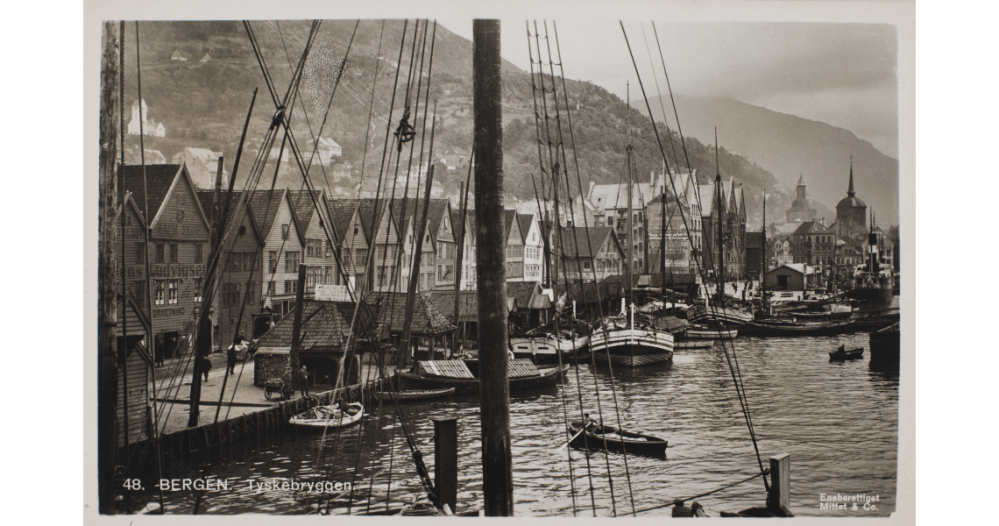
Bergen 1917-1919 fra Mittet & Co. 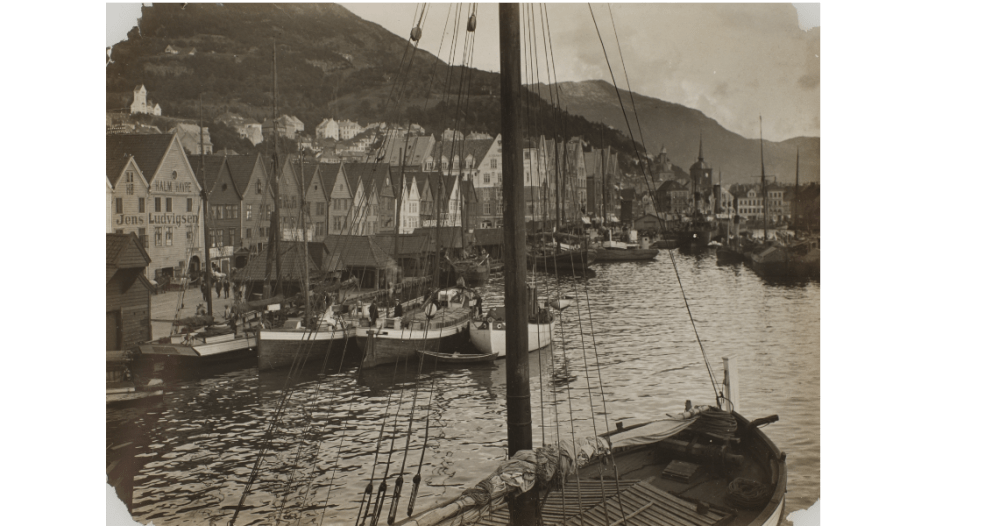
Bergen 1917-1919 from Universitetsbiblioteket i Bergen 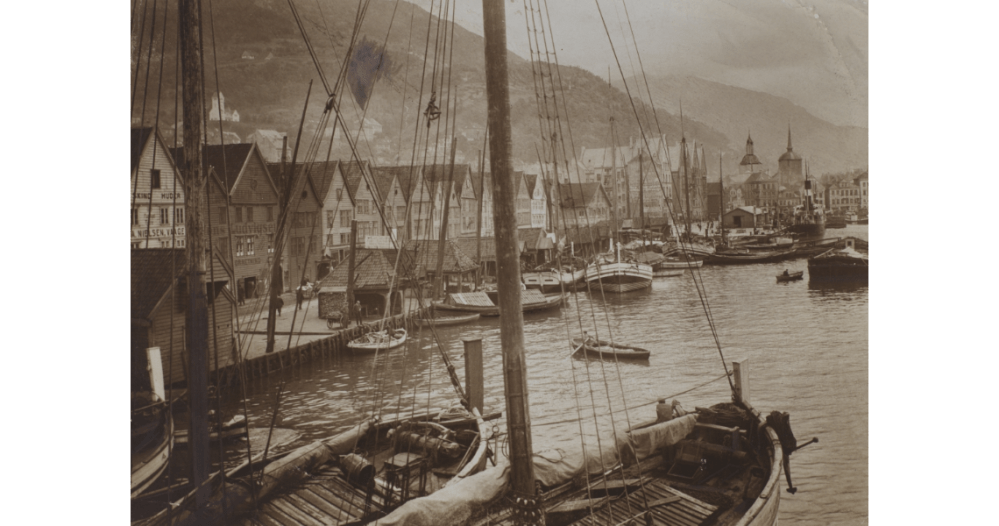
Bryggen 1917-1919 from Universitetsbiblioteket i Bergen 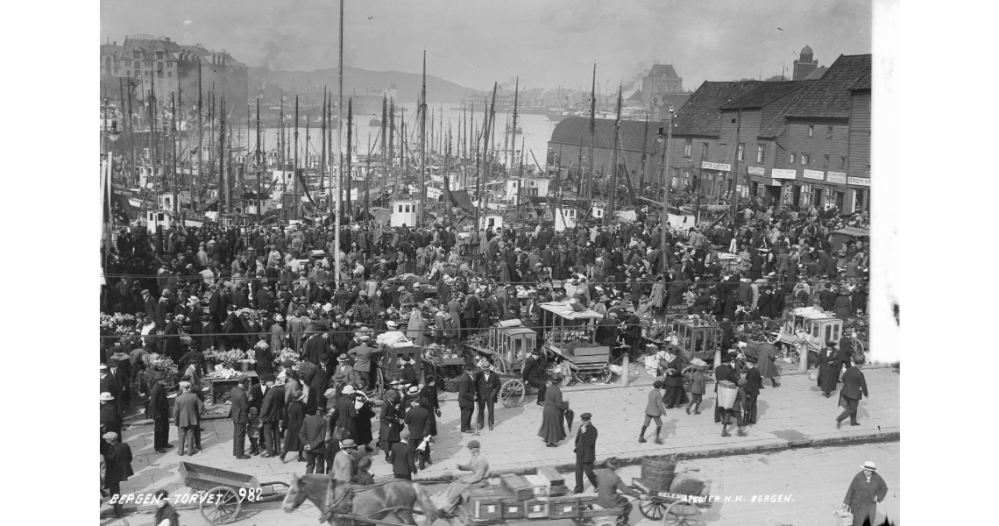
Vågen 1918-1920 from Atelier KK 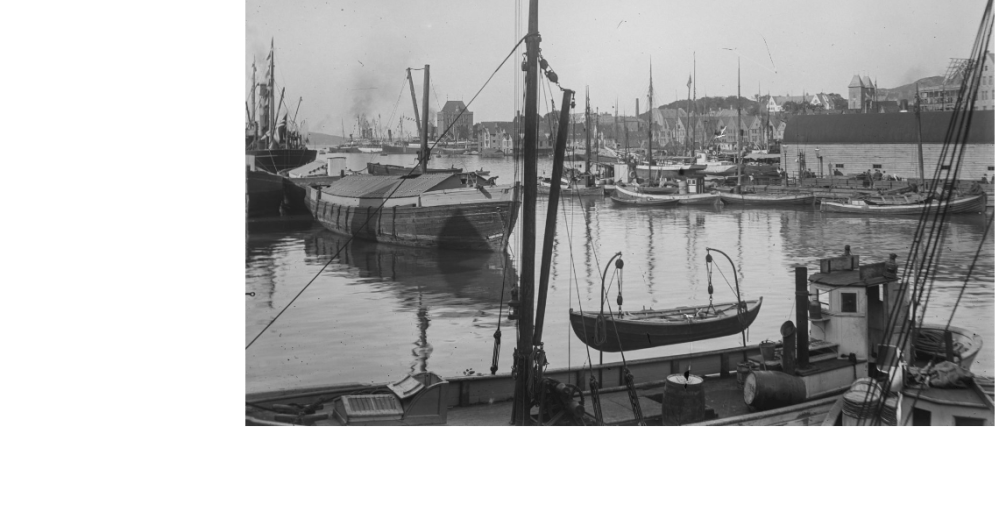
Vågen 1900-1920 from Ludvig Lygre 
Loke in Bergen ? knutsen picture gustav-brosings collection
Loke was a custom build for the shipping company T. Mathiesen in Bergen, Norway. The ship was used for porbeagle shark fishing and transport, with J. Lokøen as the ship operator. Investigations indicate that T. Mathiesen bought a ship’s passage to New York in 1917 and emigrated.
The great fire
The great fire in Bergen, began on the afternoon of January 15, 1916, when a discarded ball of burning oakum ignited a shed during a hurricane-force storm . By the time it was extinguished about ten hours later, the blaze had destroyed 380 buildings and left approximately 2,700 people homeless. Loke survived the fire.
Brødrene Horgen (1920–1937)
Call Sign: MLSW / H 83 AV
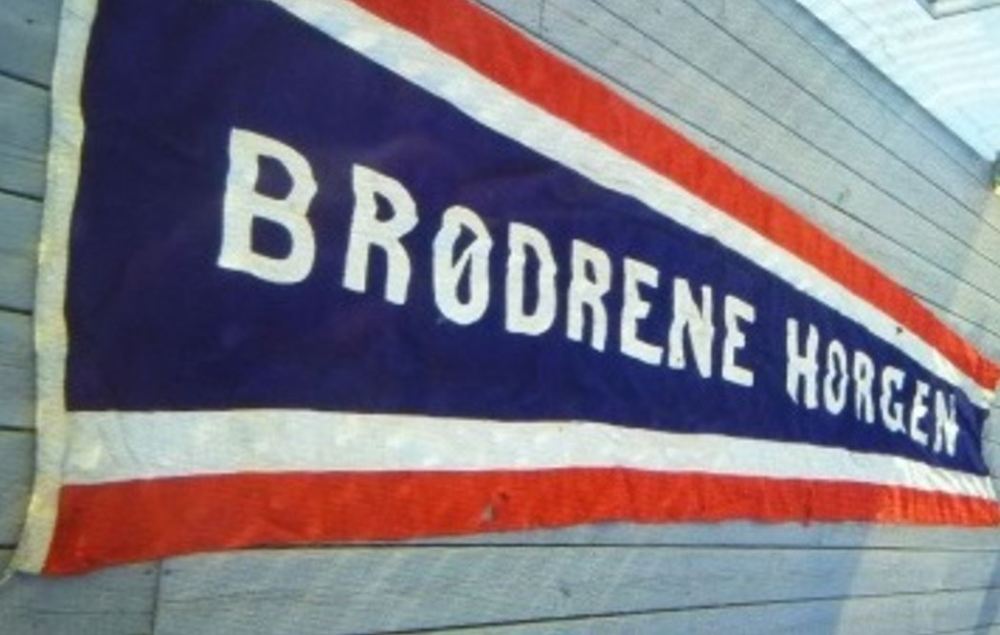
In 1920, the ship was renamed Brødrene Horgen, and its new working area was Horgo, a small island right on the edge of the open North Sea. The ship’s registry shows it had two masts and was gaff-rigged.
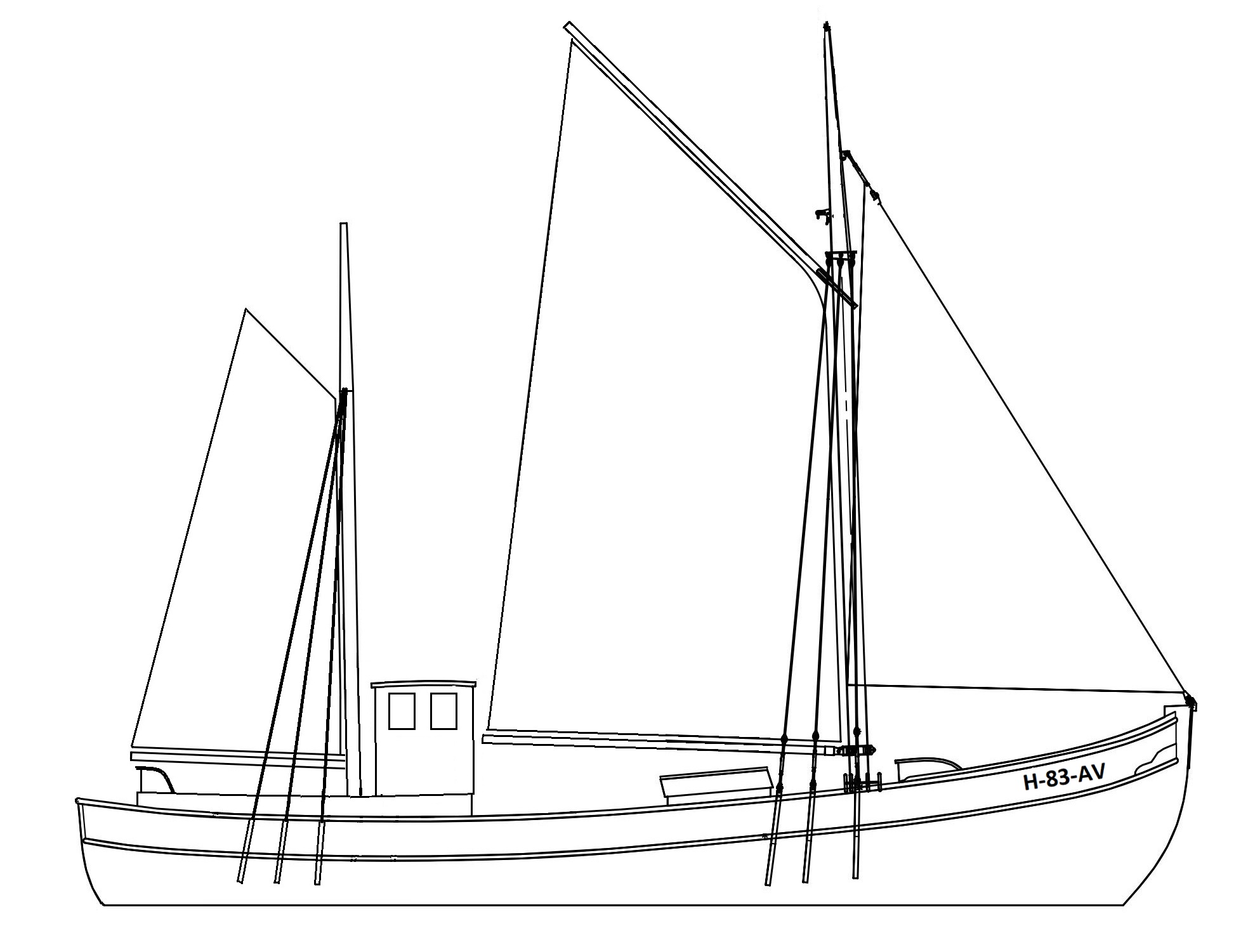
Horgo was a very poor island, so more than six people had to pool their money to buy the ship. While many of them moved to America shortly after, Mathias S. Horgen became the main owner and captain.
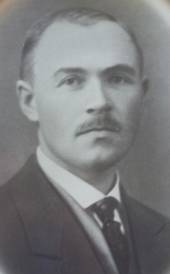
Br. Horgen had its home port on the island of Horgo and was used for fishing with the vessel registration number H-83-AV. The crew used a traditional Norwegian fishing method called land-based seine fishing, where a seine net is set from a boat in a circle or arc around schools of fish (often herring, sprat, or mackerel) and then pulled toward the shore.
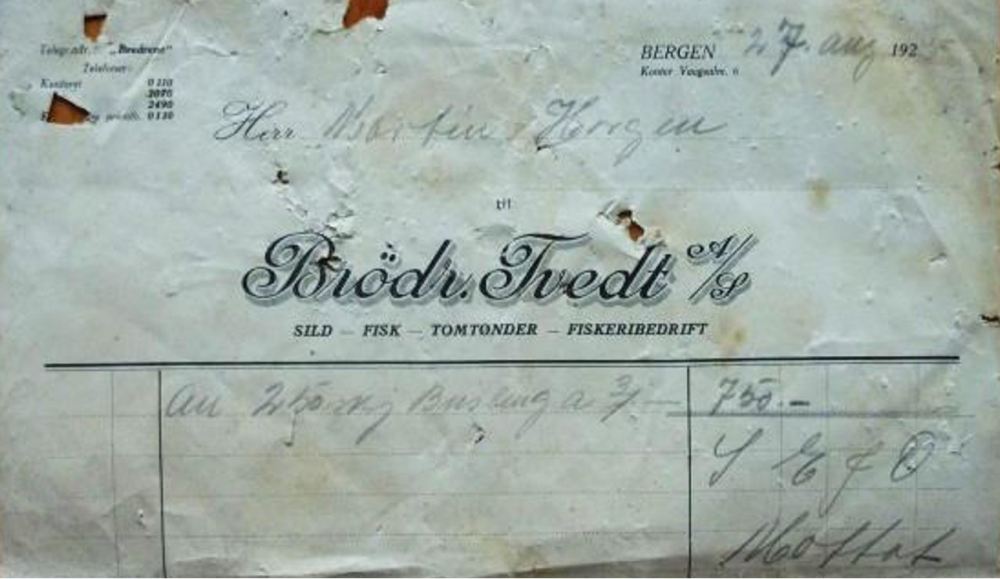
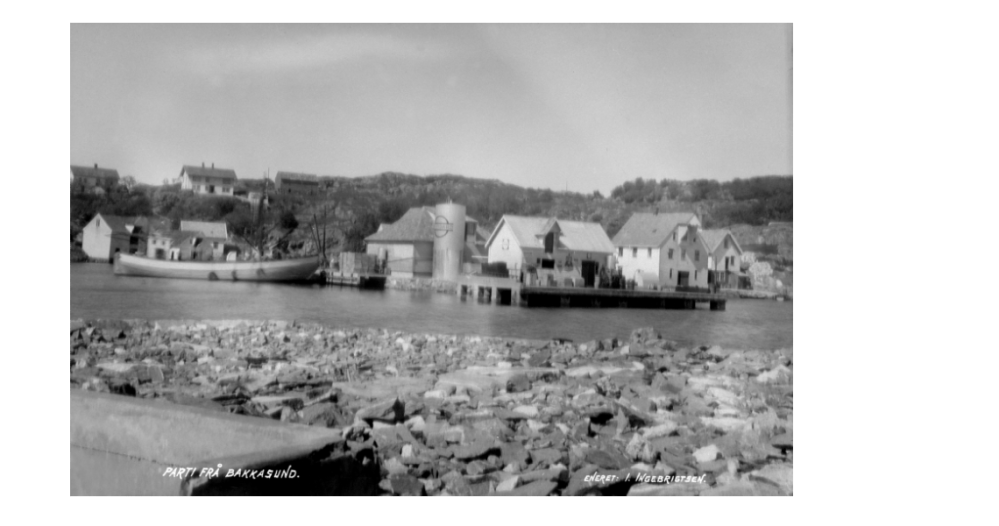
On 27 August 1925, Martin Horgen delivered a catch of 4.34 cubic meters of sprats in Bergen, receiving a payment of 750 kroner. This was a very large haul.
During the summer season, they also delivered raw materials to railway cars in the Oslofjord.
After 1933, the ship’s call sign was changed to LFRN.
Hjartholm 1 & Bjørghild (1937–1979)
Call Sign: LFRN / SF 8 BK
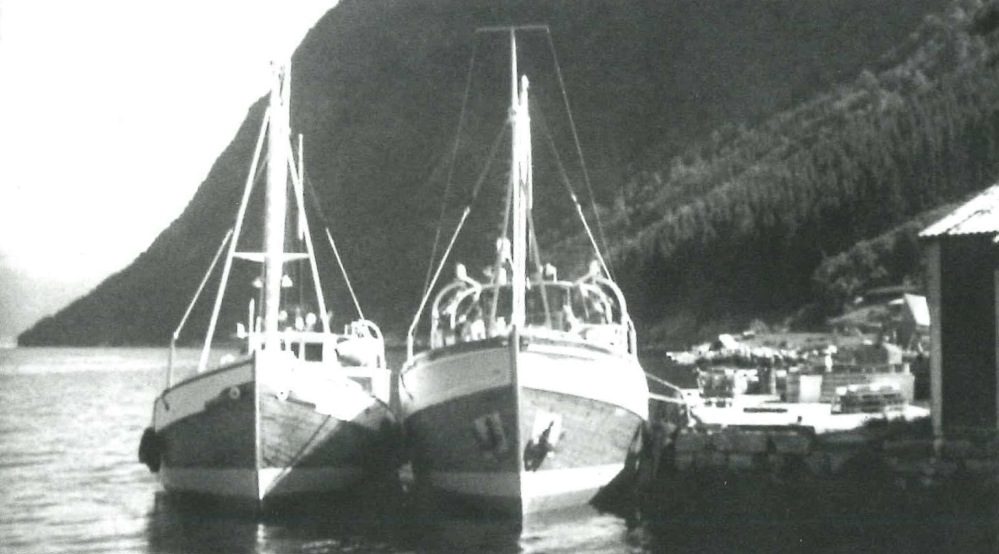
Around Christmas in 1937, the ship was sold to Bernhard B. Hjartholm in the Sognefjord for 65,000 kroner. The Sognefjord, known as the “king of the fjords,” is Norway’s longest and deepest fjord. From 1937 to around 1945, the ship was named Hjartholm 1 and was used to transport fish, salt, sand, and diesel between the Sognefjord and Bergen. Its fishing vessel registration number was SF 8 BK.
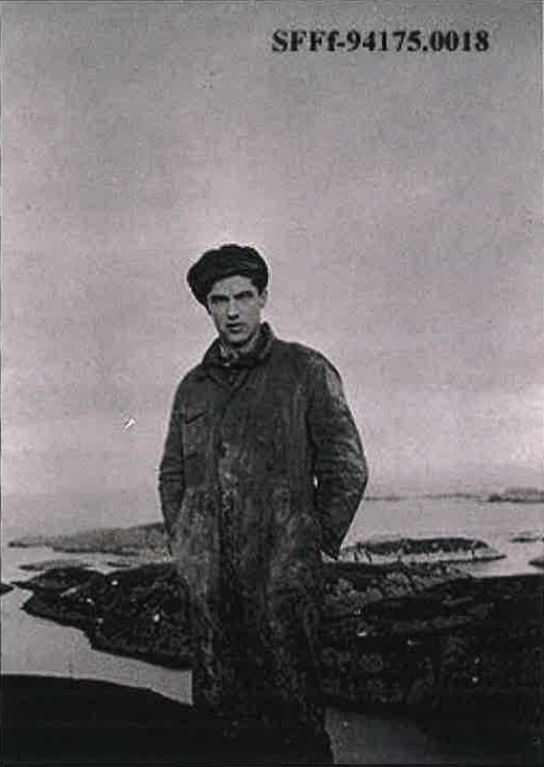
The day World War II broke out, the ship was in Stavanger. The boat unloaded herring that day, and Arnold Tveit, a fisherman on board, remarked, “it was a dreary day.” The Hjartholm family stated that Leif Andreas Larsen (“Shetlands-Larsen”) was on board the vessel and they discussed the possibility of using it for the resistance movement. Whether this ever happened is unknown.
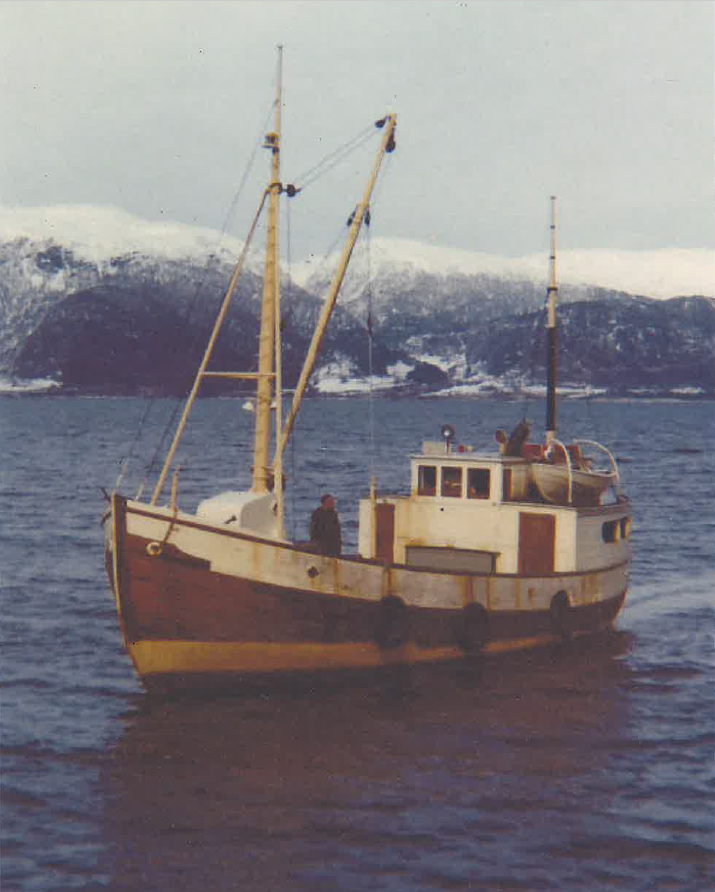
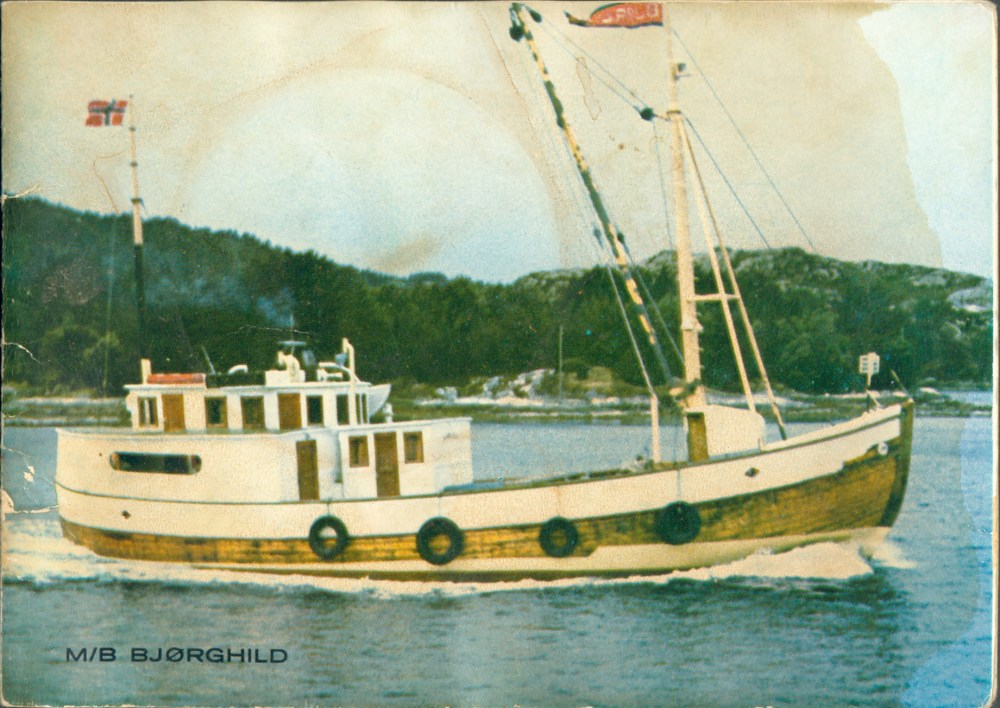
During the war, the ship was requisitioned by the Germans for various transport tasks, including the transport of Russian prisoners of war to Lammetu island. The captain disapproved of this, and it culminated in the vessel being deliberately “wrecked” so that it was not operational anymore. Around 1944, he ran the ship aground on stony ground, destroying the bow. Hjartholm 1 was then beached to prevent it from sinking. After the war, the vessel was towed to Sagvåg, completely restored, and converted to a sternpost-bore rudder configuration. The overall length of the vessel was 62 foot (18.8 meter) now. The original 30 hp Wickmann engine was reinstalled, and in 1947, some modifications were made to adapt the boat for scheduled passenger service with a passenger certificate. After this, it was renamed Bjørghild. From 1950 on the fishing vessel registration number was SF 8 BK does not exist anymore which states the end of 35 years as a fishing vessel.
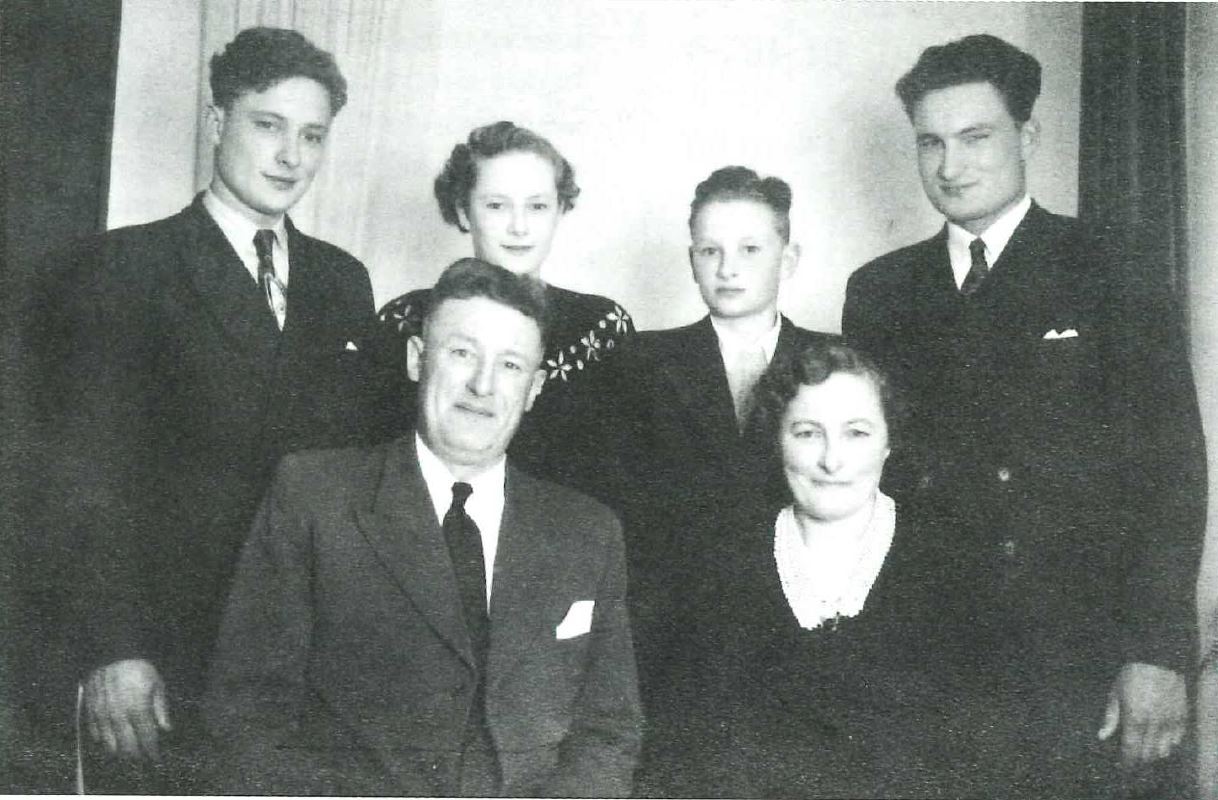
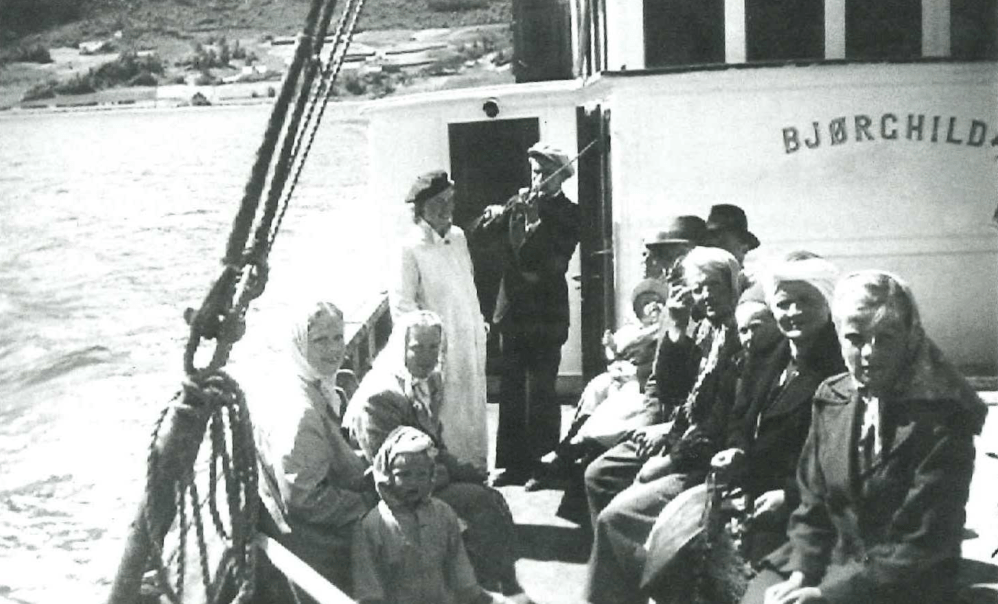
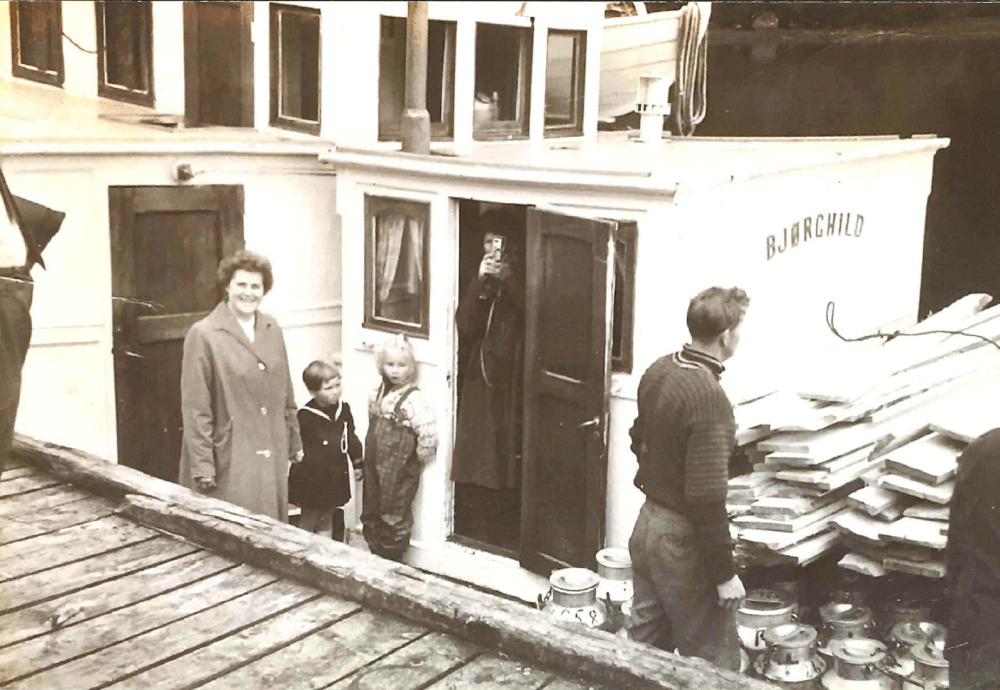
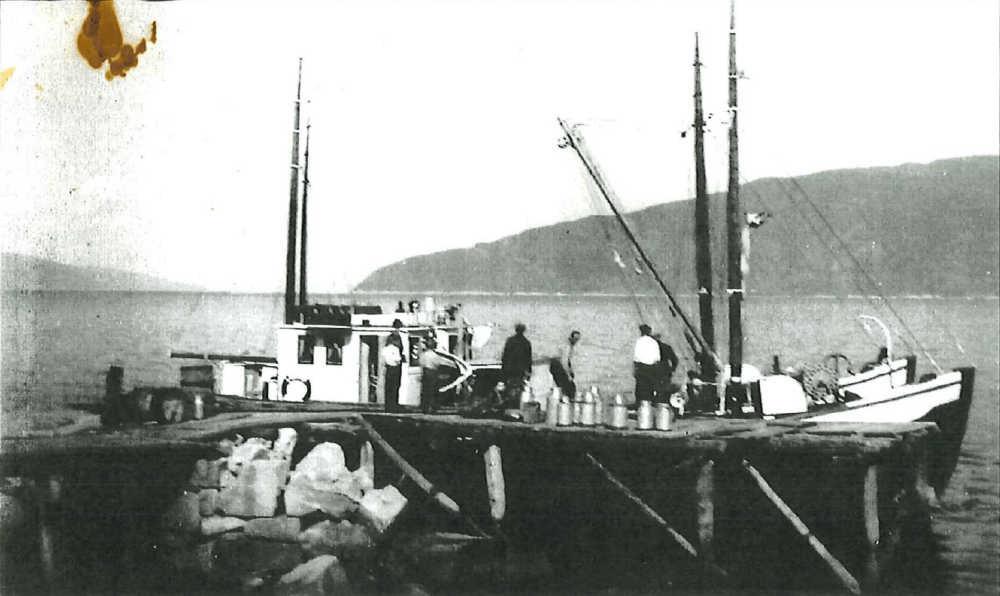
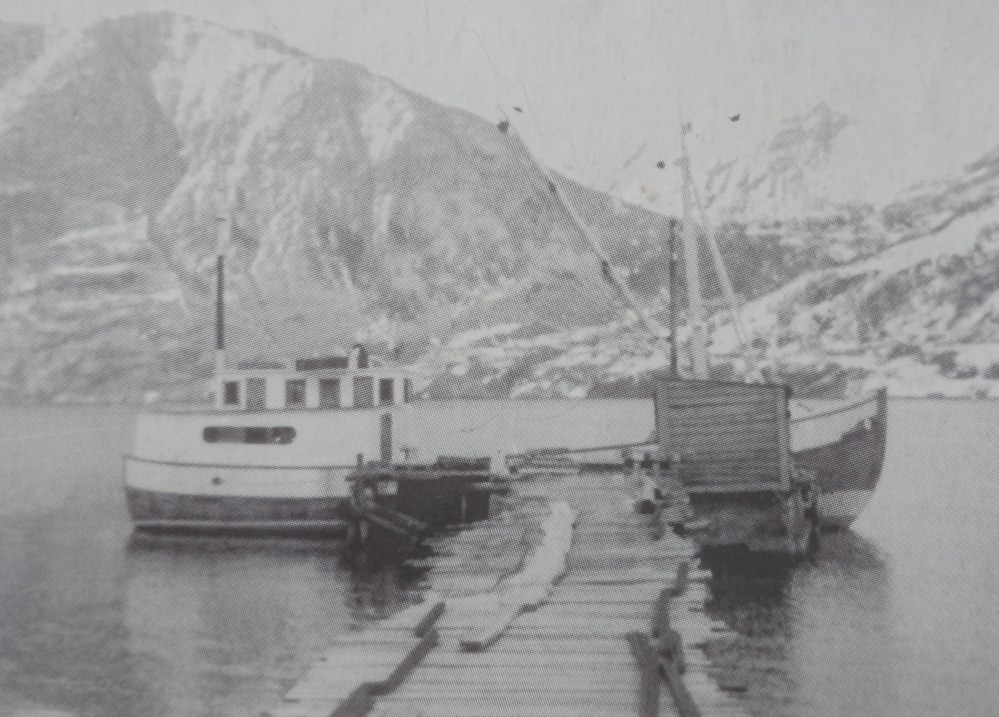
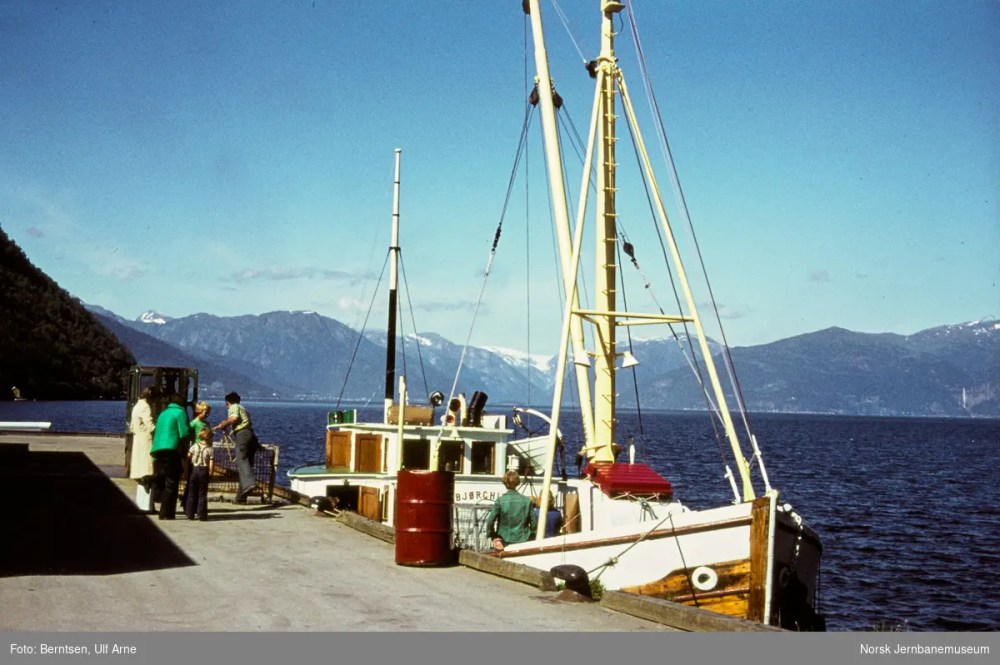
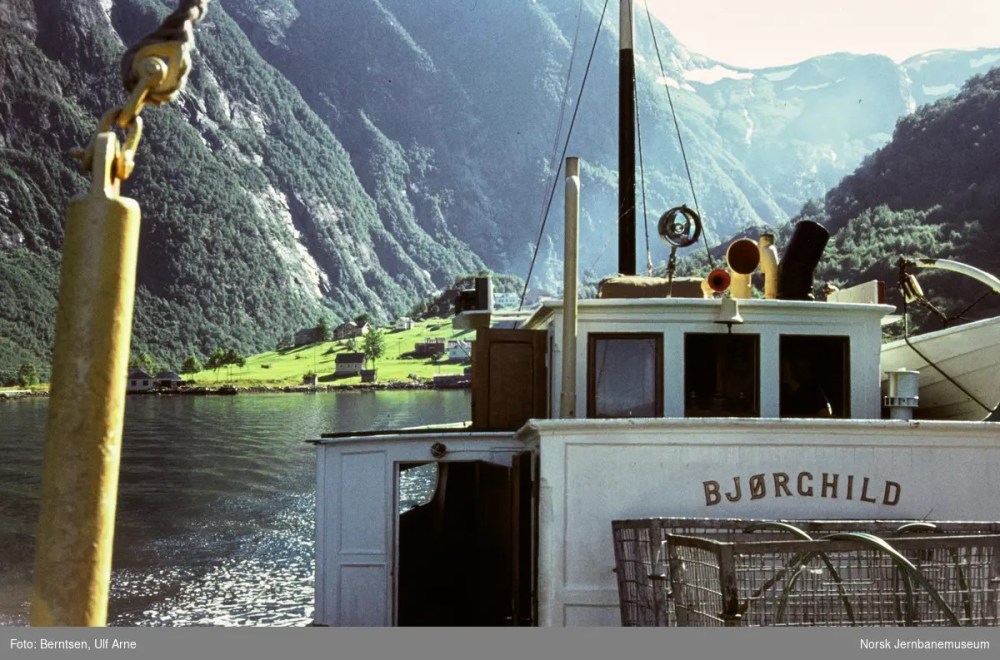
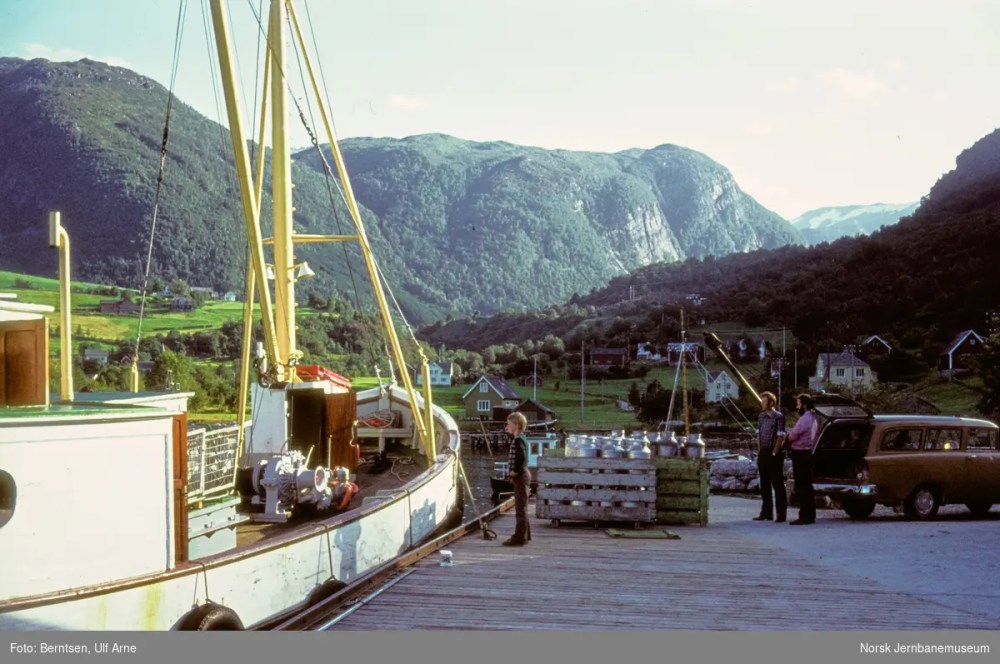
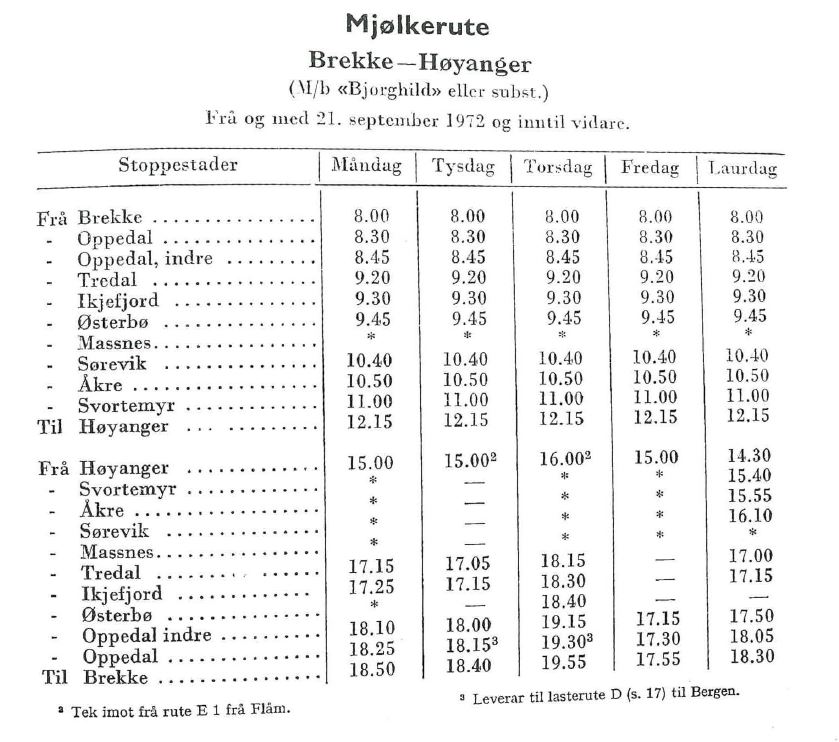
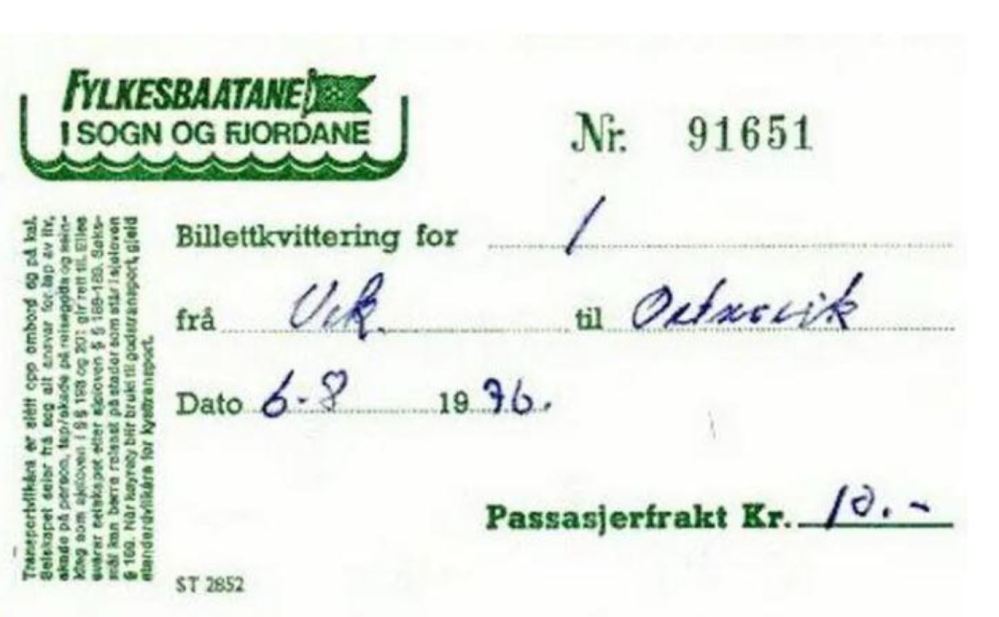
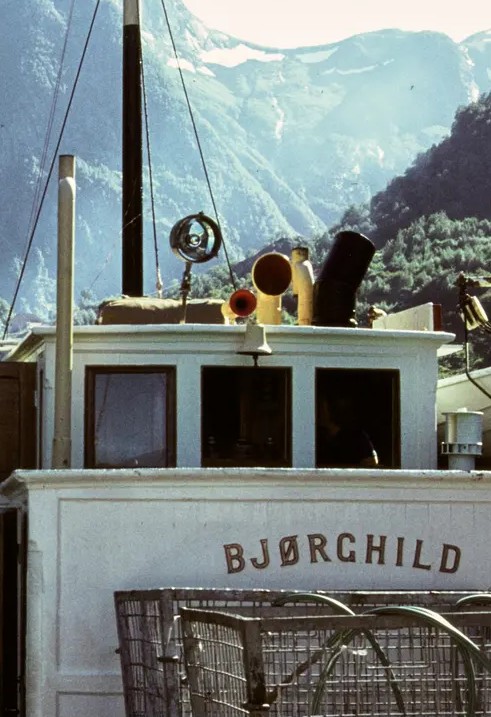
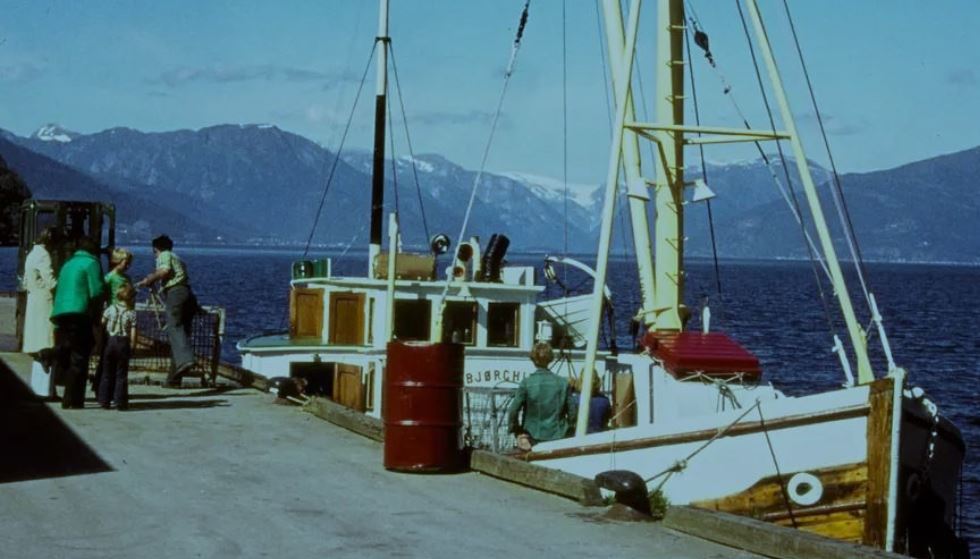
For the next 25 years, she operated on a fixed daily route (except Sundays) in the Sognefjord. Every day, Bjørghild collected milk from local farmers and delivered it to the dairy. There was a post office on board and a heated saloon for passengers on deck. The vessel also transported cows and horses.
In 1952, the engine was rebuilt by replacing the cylinder with one rated for 50 hp from the same brand, though the crankcase and crankshaft were not replaced. This modification provided a bit more speed and significantly better maneuverability when docking in difficult weather conditions.
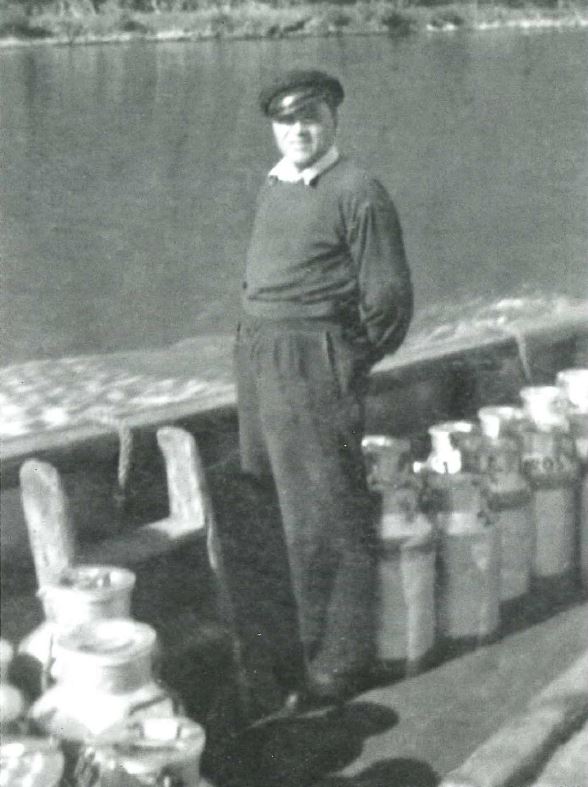
The navigation equipment was simple and straightforward: a magnetic compass and a clock, in addition to charts, a pair of compasses, and a ruler. Steering was fully manual, transferred via a heavy chain to the rudder.
The “Milk Route” was discontinued in 1973 as many villages gained road access. In 1976, Bjørghild was sold to Johan Ask. He attempted to compete with road transport for three years, using the ship as collateral for loans, but ultimately had to give up.

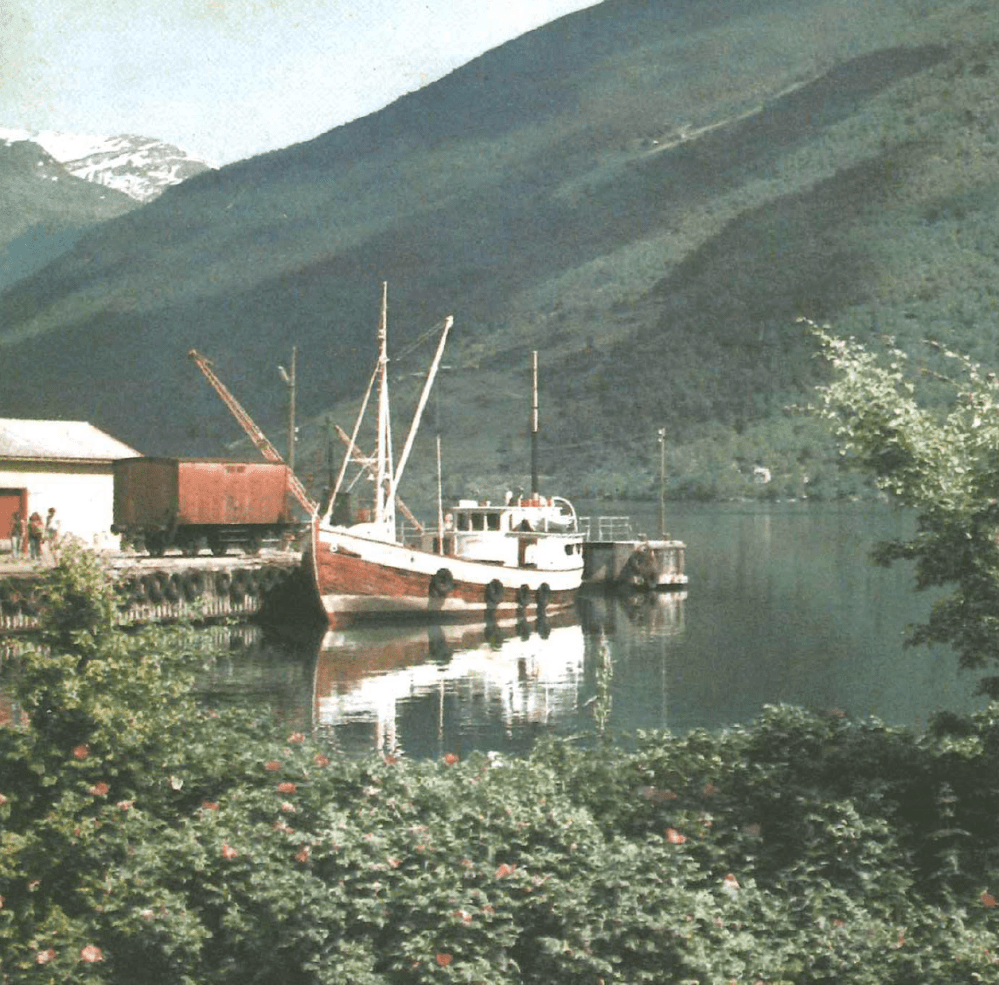
Bjørghild in the Oslofjord & Denmark
In 1980, Helge Myrdal bought Bjørghild and sailed her to Lindøya, planning to restore her as a sailing pleasure craft. Little did he know it would take another 45 years to reach that point. Bjørghild was in terrible condition and was sold again in 1983 to Pål Lünd.
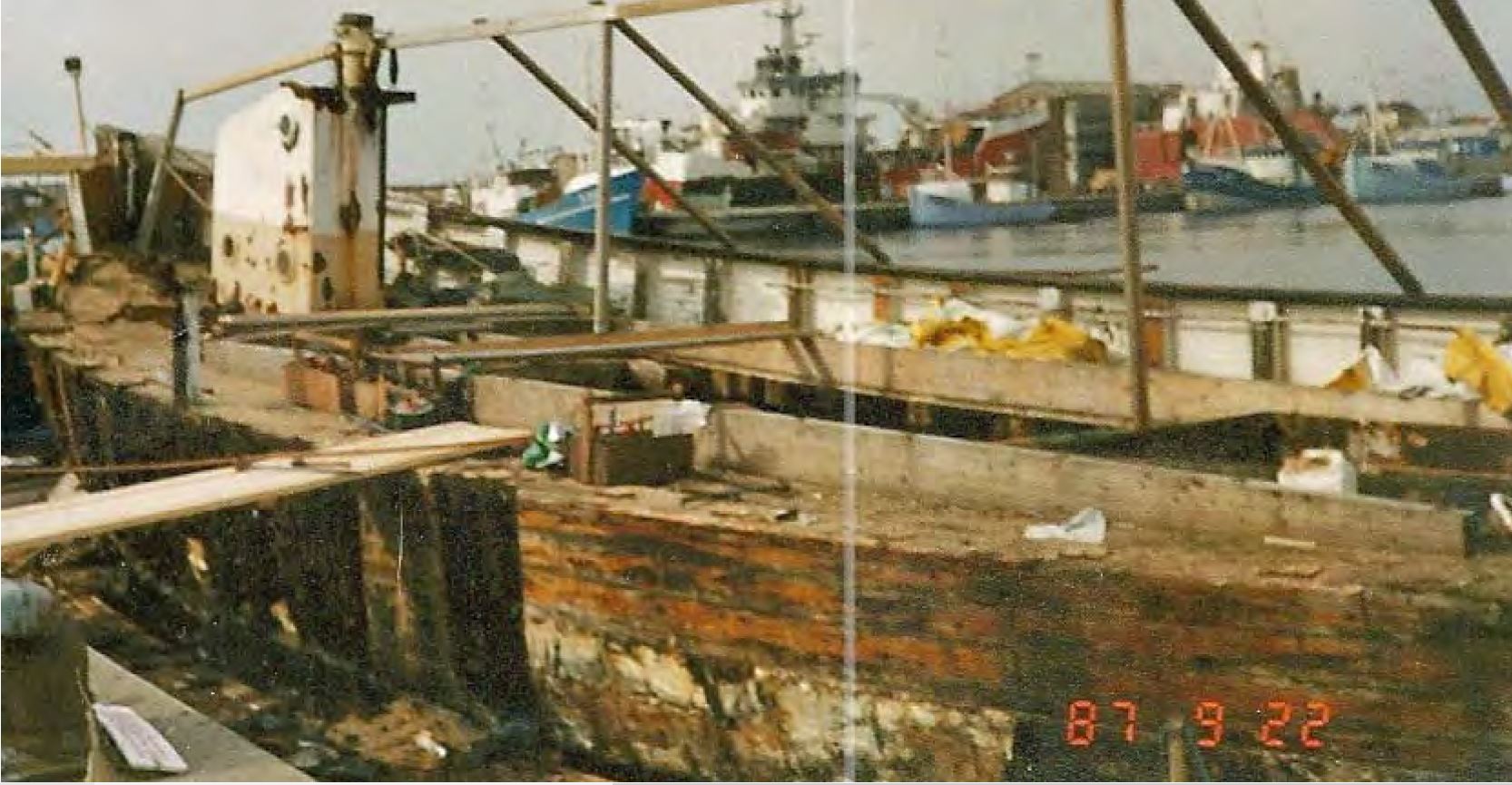
In 1987, Helge Myrdal found the ship abandoned in the Oslofjord and bought her back for 1 krone. After 72 years of service, he removed the engine and scuttled it in the sea near Lindøa to serve as an anchor for a mooring line.
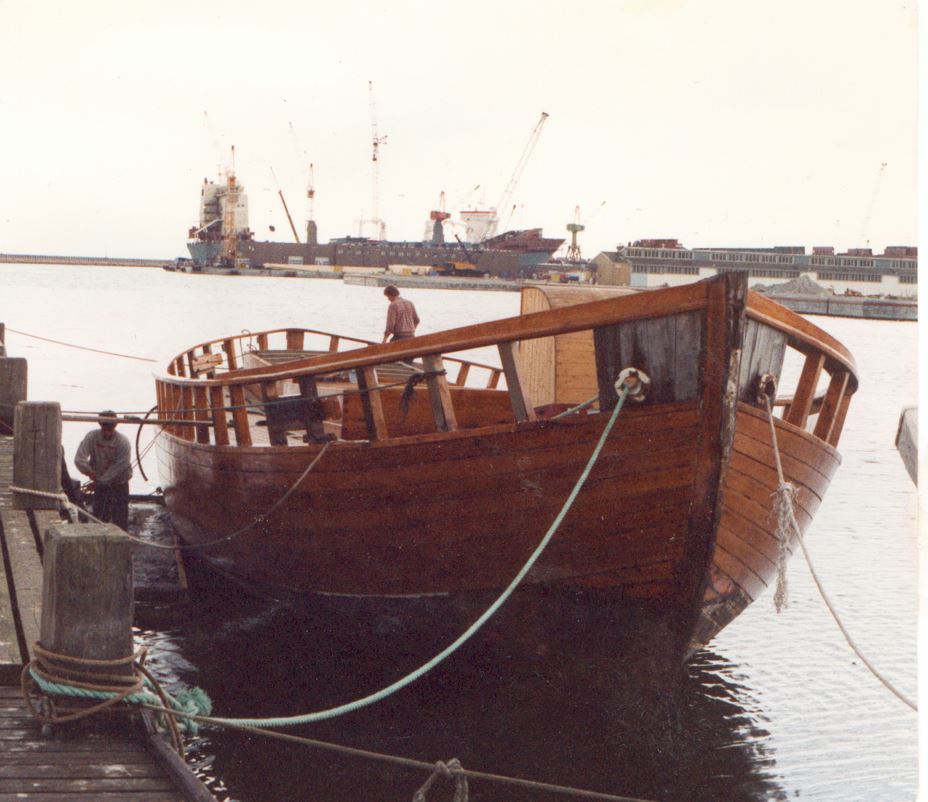
When the vessel was towed to Denmark for restoration, the port authority in Marstrand asked Helge, “Where do you plan to dump the wreckage?” This comment speaks to the ship’s poor condition. The vessel remained in Skagen for several years. Frames and planks above the waterline were renewed, and a new deck was laid on the old decks beams. Then the boatyard went bankrupt, and Bjørghild sank in the harbor. In 2003, the boat was sold again.
Skienselva
In 2003, the boat was sold for 150,000 kroner and brought to Skien in southern Norway. The new owner had to replace the bow following a collision. Bjørghild was then sold again in 2005, this time for 500,000 kroner, to an owner in Oslo who never even bothered to move the boat from its docking place at Skienselva.
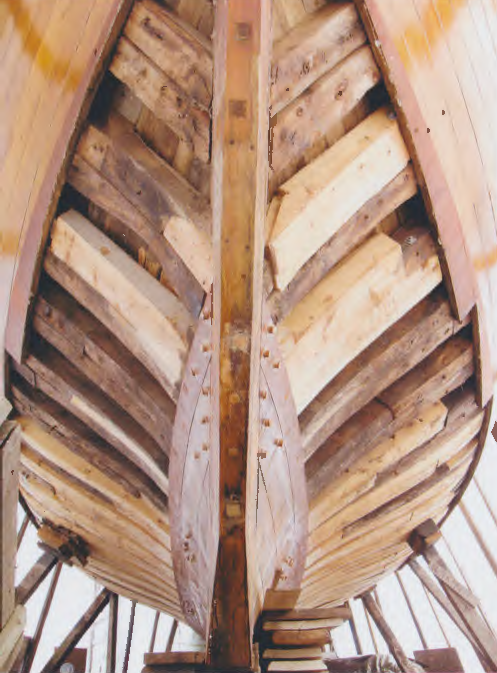
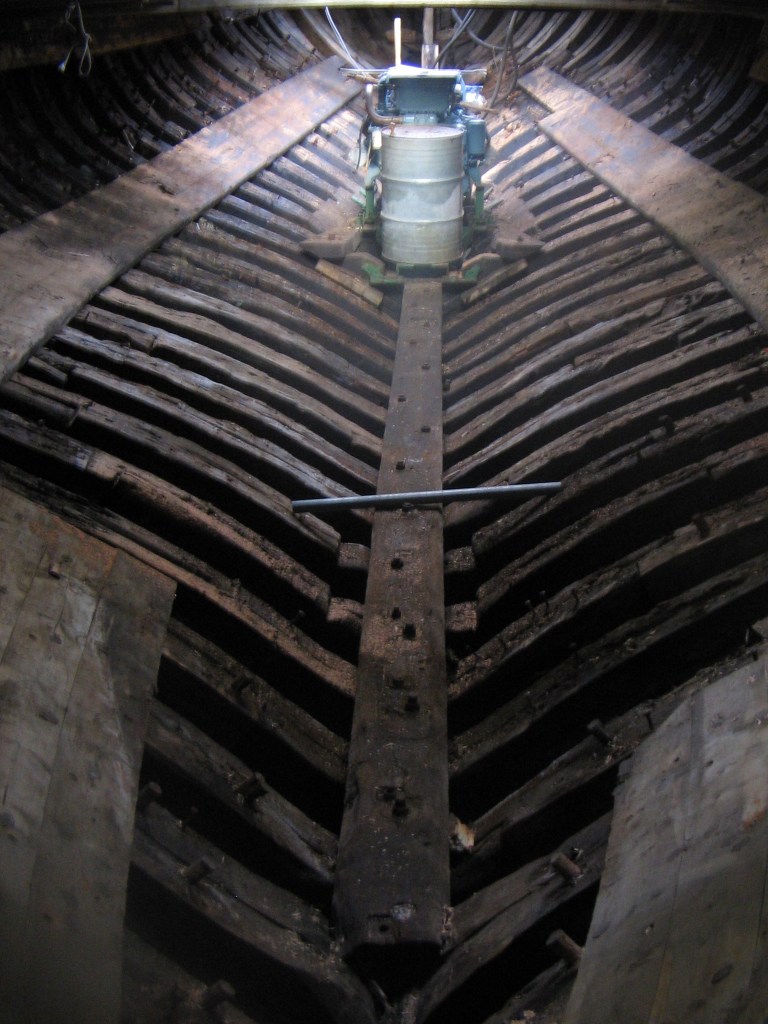
In 2006, we purchased Bjørghild. As a mechanical engineer and former boatbuilder, Robert Larsson led our restoration efforts. For the next 20 years. We did all the work ourselves. We hauled her out at Skjerkøya, where we replaced all frames and planks below the waterline, along with several deck beams.
Søndeledfjorden & Stadthelle
In 2011, we moved the vessel to Søndeled to build the interior, decks saloon, and wheelhouse. The vessel was now just 3 km from Møen, where it had been built 96 years before.
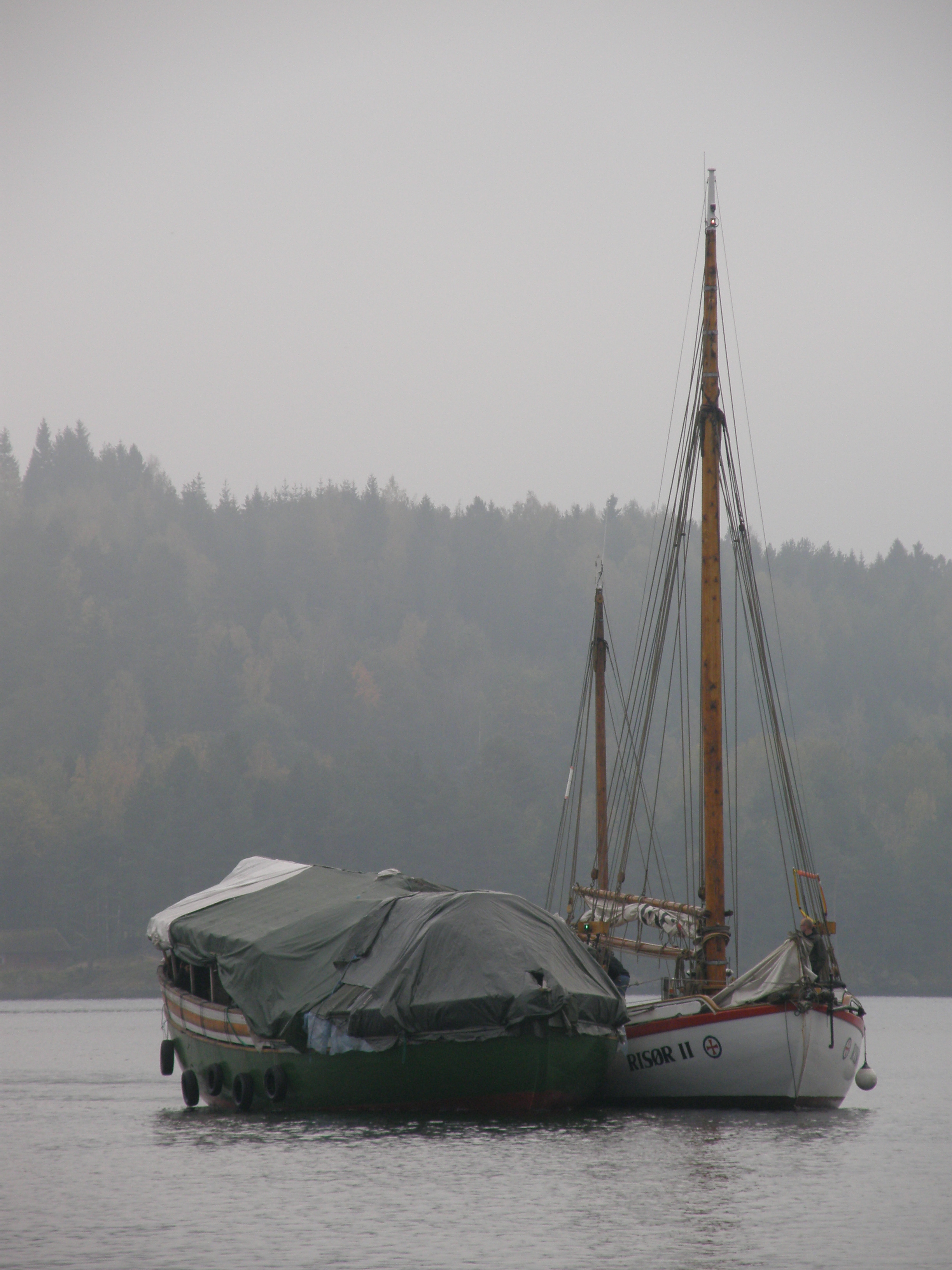
During the 2017 refit in Stadthelle, we installed a new engine, an overhauled propeller, and new steering hydraulics, finally enabling the vessel to move independently after 30 years.
Bergen
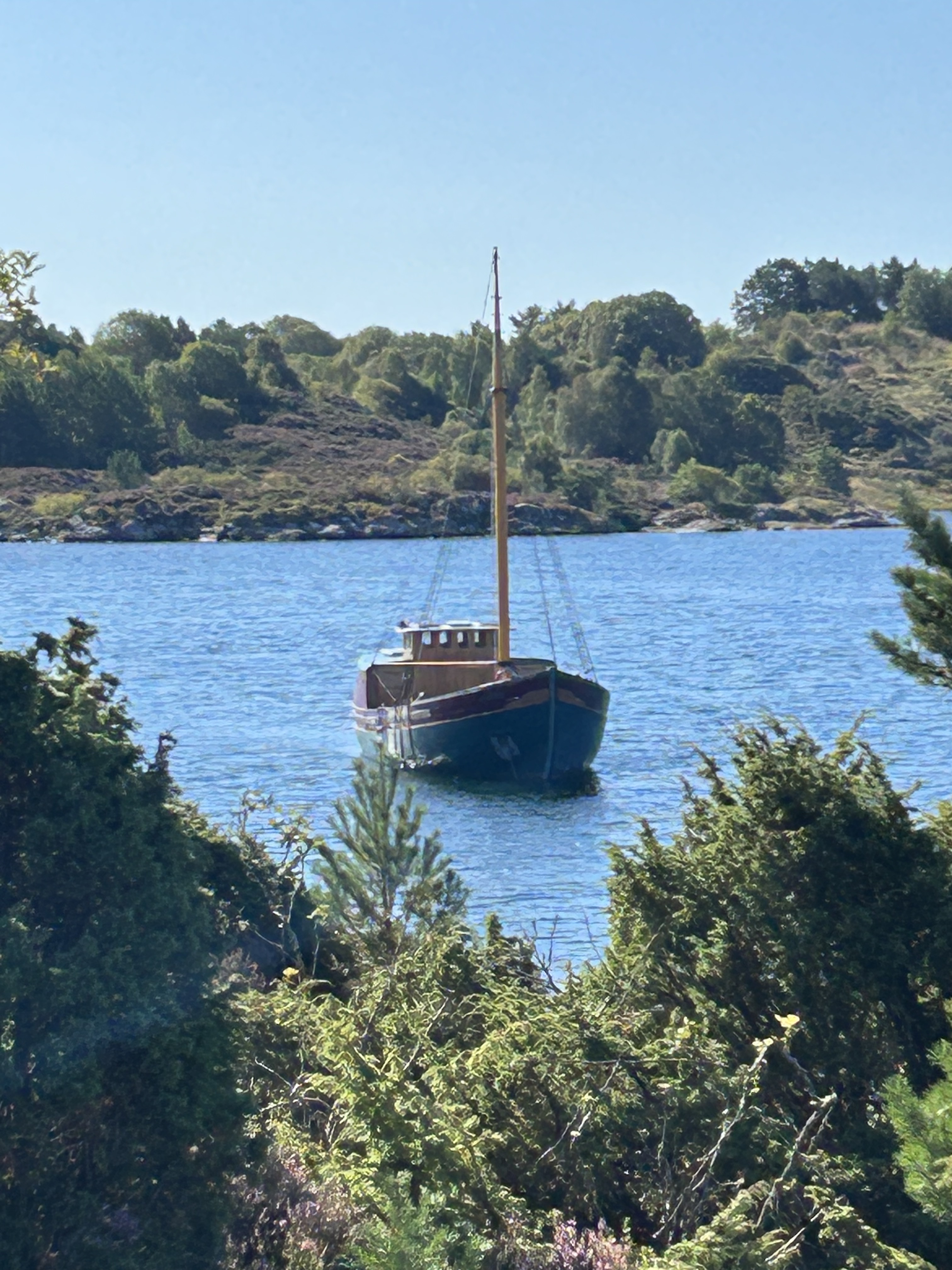
In 2018, Bjørghild sailed to her new home port near Bergen, where we installed new electrical systems and additional interior fittings before stepping the main mast in 2024. Today, fulfilling her original purpose, she sails the coastal waters once more.
If you are interested in more stories about Bjørghild.
Please click the links below.
 SV Bjørghild